Fuel is one of the biggest operating expenses for any trucking business. So when your truck suddenly starts burning more fuel than usual, it’s not just frustrating — it directly affects profitability.
Many truck owners first notice the issue when they start filling up more frequently, seeing lower mileage, or spending significantly more money on diesel every week. Sometimes the change happens gradually, making it difficult to identify until fuel expenses become impossible to ignore.
At JSS Truck Repairs Inc, we regularly help truck owners diagnose hidden fuel efficiency problems before they turn into expensive engine failures. Whether it’s injector problems, turbocharger issues, sensor malfunctions, or poor maintenance, identifying the root cause early can save thousands in long-term repair costs.
If your truck has recently started consuming more diesel than normal, understanding the warning signs can help you avoid downtime, breakdowns, and major engine damage.
Quick Answer
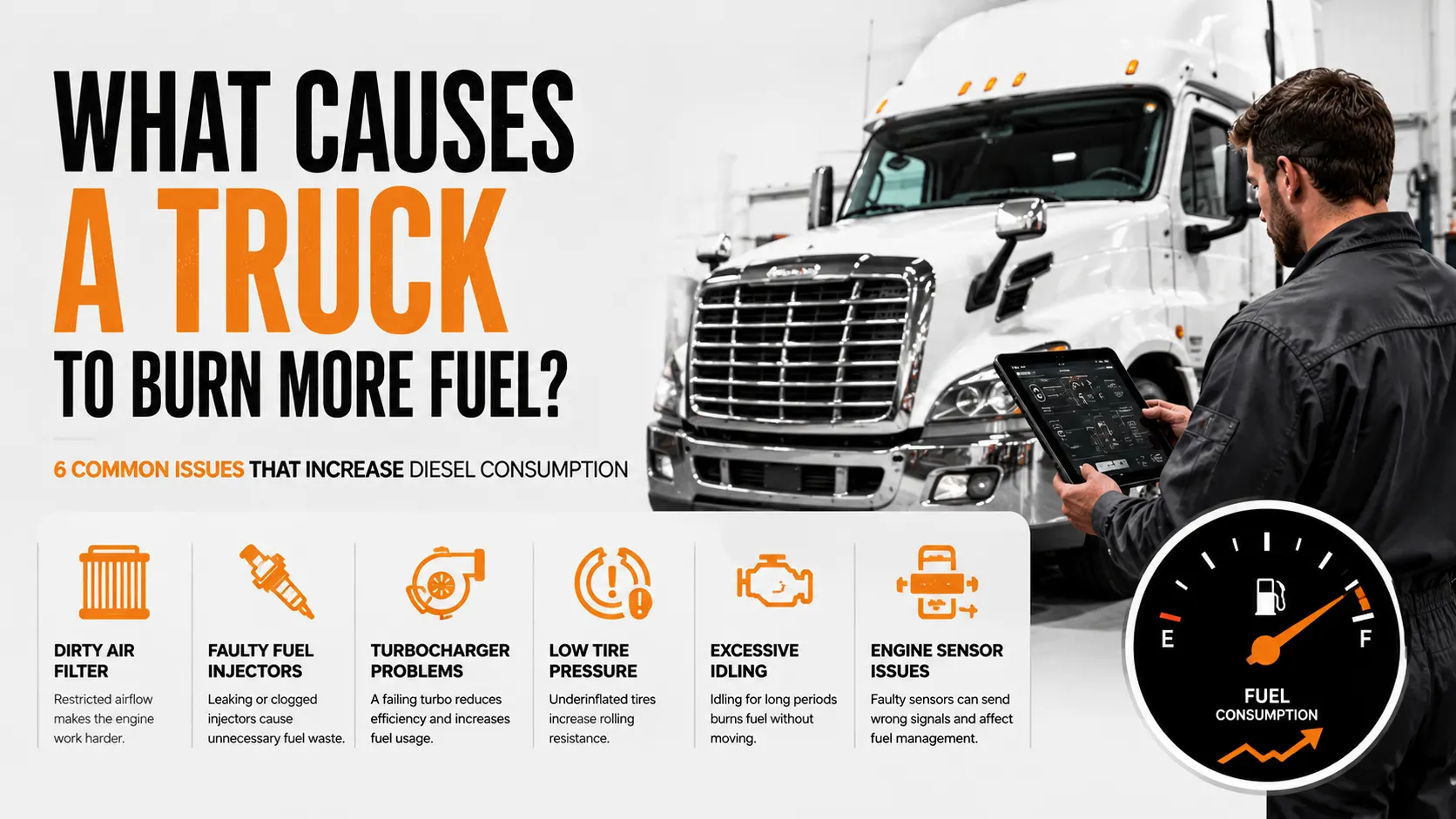
A truck may burn more fuel than normal because of clogged air filters, bad fuel injectors, low tire pressure, turbocharger problems, excessive idling, faulty sensors, or overdue maintenance. Professional diagnostics and preventive maintenance are the best ways to restore fuel efficiency and prevent costly repairs.
What Causes a Truck to Burn More Fuel?
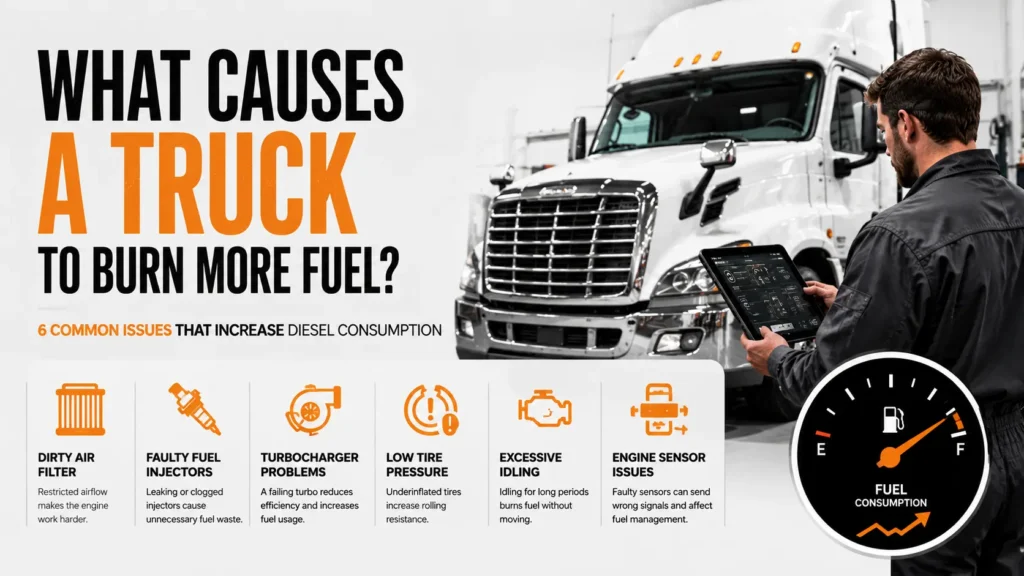
Heavy-duty trucks rely on a precise balance of air, fuel, engine timing, and mechanical efficiency. When one part of the system stops functioning properly, the engine compensates by consuming more diesel.
Sometimes the issue is relatively simple. Other times, it points to a deeper mechanical problem that requires immediate professional attention.
Some of the most common causes include:
- clogged air filters
- worn fuel injectors
- turbocharger inefficiency
- underinflated tires
- poor driving habits
- excessive idling
- faulty sensors
- overdue maintenance
- transmission problems
Even a small mechanical issue can have a noticeable impact on fuel mileage over time.
Many fleet owners overlook routine preventive truck maintenance services, only to discover later that poor maintenance was silently increasing operating costs for months.
If you drive through Etobicoke or anywhere around the GTA regularly, you’ve probably noticed how hard local trucking conditions can be on heavy-duty vehicles — especially during winter or stop-and-go traffic near Highway 401.
One of the most common complaints we hear at JSS Truck Repairs Inc is:
“My truck suddenly started burning way more fuel than usual.” And honestly, most drivers don’t notice the problem immediately.
At first, it’s just an extra fuel stop here and there. Then suddenly, your weekly diesel costs are hundreds of dollars higher, the truck feels sluggish climbing hills, and black smoke starts showing up during acceleration.
In many cases, the issue isn’t the fuel itself — it’s something inside the truck slowly losing efficiency.
We’ve seen everything from clogged air filters caused by Ontario road dust to failing injectors on long-haul trucks running daily between Etobicoke, Mississauga, and Brampton.
Dirty Air Filters Can Reduce Fuel Economy Quickly
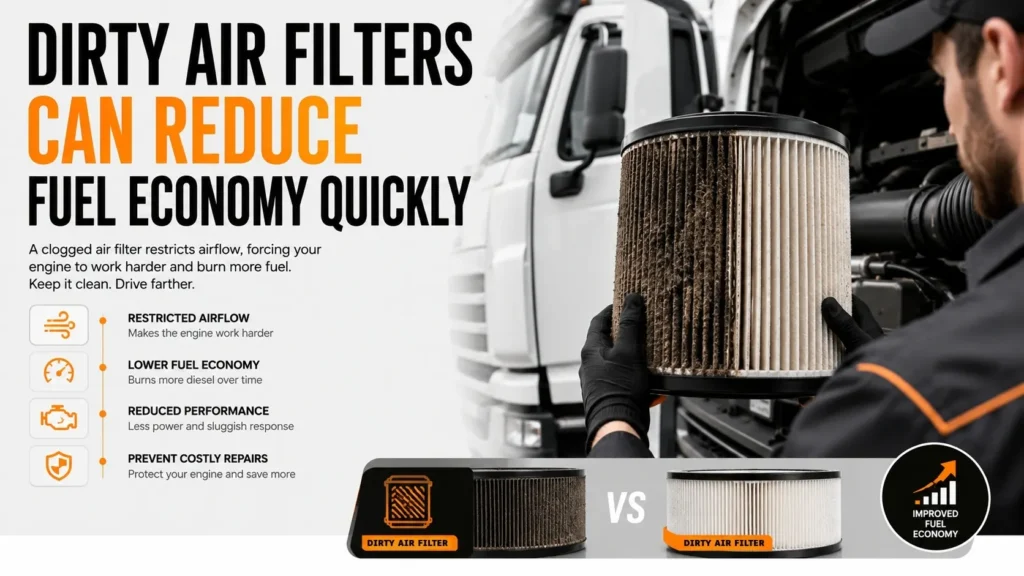
One of the most overlooked reasons trucks burn extra fuel is restricted airflow.
Your diesel engine needs clean air to burn fuel efficiently. When the air filter becomes clogged with dirt, dust, or debris, the engine struggles to receive enough oxygen for proper combustion.
As a result, the truck begins consuming more fuel to generate the same amount of power.
This problem is especially common for trucks operating in:
- construction zones
- industrial routes
- mining environments
- dusty highways
- off-road operations
Signs Your Air Filter May Be Clogged
A dirty air filter often causes:
- black smoke from the exhaust
- sluggish acceleration
- poor throttle response
- reduced engine performance
- increased diesel consumption
Air filter replacement is inexpensive compared to the long-term fuel costs caused by reduced engine efficiency.
Routine fleet maintenance inspections help identify airflow problems before they affect engine performance significantly.
Bad Fuel Injectors Often Cause Excessive Diesel Consumption
Fuel injectors control how much diesel enters the combustion chamber.
Modern diesel engines require extremely precise fuel delivery. When injectors become dirty, damaged, or worn out, they may inject excess fuel or spray it unevenly.
This creates inefficient combustion and forces the engine to burn more diesel than necessary.
Injector problems can also increase engine wear, emissions, and overall operating costs.
Common Symptoms of Bad Fuel Injectors
Truck drivers often notice:
- rough idling
- hard starting
- excessive exhaust smoke
- diesel smell
- reduced power
- sudden MPG drops
- engine hesitation
Ignoring injector problems can eventually lead to severe engine damage.
Professional truck engine diagnostic testing can quickly identify injector failures before they become major repairs.
Turbocharger Problems Can Dramatically Affect Fuel Mileage
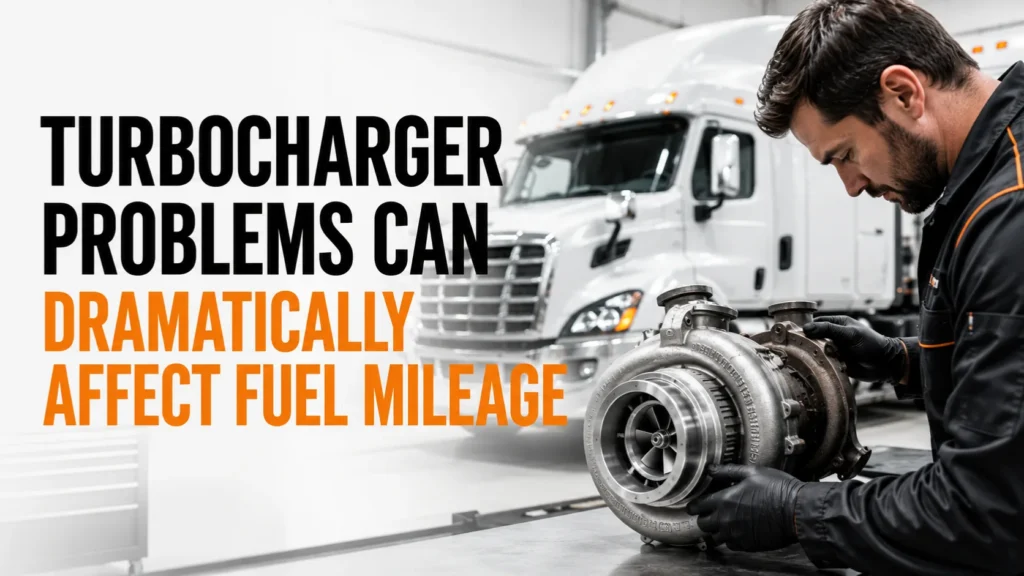
Turbochargers improve diesel engine efficiency by forcing additional air into the combustion chamber.
When the turbocharger works correctly, the engine produces more power while using fuel more efficiently.
However, when the turbo starts failing, fuel economy often drops quickly.
The engine suddenly requires more fuel to compensate for reduced airflow and lower boost pressure.
Common Signs of Turbocharger Failure
A failing turbocharger may cause:
- whining noises
- excessive black smoke
- reduced acceleration
- oil leaks
- low boost pressure
- poor fuel economy
Many truck owners continue driving despite early turbocharger symptoms, but delaying repairs can eventually damage the engine itself.
Routine heavy-duty diesel repair services help identify boost pressure problems before they become catastrophic failures.
Turbocharger issues rarely improve on their own. Schedule a complete inspection before minor turbo problems turn into expensive engine repairs.
Low Tire Pressure Increases Fuel Consumption More Than Most Drivers Realize
Tires directly affect fuel efficiency.
When tire pressure falls below recommended levels, rolling resistance increases. This forces the engine to work harder and consume more diesel.
Even slightly underinflated tires can noticeably reduce mileage during long-haul operations.
For fleets operating multiple trucks daily, poor tire maintenance can quietly cost thousands of dollars annually.
Why Tire Maintenance Matters
Proper tire maintenance helps:
- improve fuel economy
- extend tire lifespan
- improve handling
- reduce engine load
- improve safety
Uneven tire wear may also indicate:
- wheel alignment problems
- suspension issues
- overloaded axles
- improper inflation
Regular inspections remain one of the easiest and most cost-effective ways to improve fuel efficiency.
Keep Your Fleet Running Efficiently
Routine maintenance is one of the smartest investments for commercial truck owners. Read our guide on How to Extend the Lifespan of Your Truck’s Engine? for expert maintenance recommendations.
Excessive Idling Burns Fuel Without You Realizing It
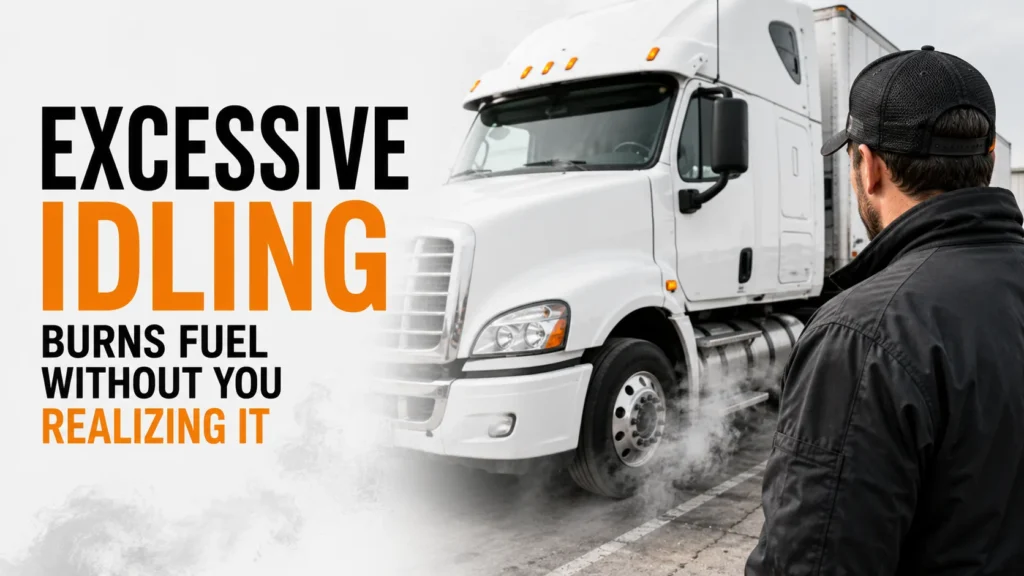
Many truck drivers underestimate how much diesel gets wasted during excessive idling.
Heavy-duty engines continue consuming fuel even when stationary. Long idle periods throughout the day can dramatically increase fuel costs over time.
This commonly happens during:
- overnight parking
- winter heating
- loading delays
- traffic congestion
- waiting during deliveries
How Excessive Idling Affects Your Truck
Excessive idling can:
- reduce fuel efficiency
- increase engine wear
- create carbon buildup
- shorten engine lifespan
- increase maintenance costs
Many modern fleet operators now monitor idle times closely because reducing unnecessary idling creates significant fuel savings.
Small driving habit changes can improve overall commercial fleet fuel efficiency considerably.
Faulty Engine Sensors Can Confuse the Entire Fuel System
Modern diesel trucks rely heavily on sensors and electronic systems. The ECM constantly adjusts fuel delivery using data collected from various engine sensors. If even one sensor begins sending incorrect information, the truck may inject more fuel than necessary.
Common Sensor Problems That Affect Fuel Economy
Fuel efficiency problems are often linked to:
- faulty oxygen sensors
- MAP sensor failures
- coolant sensor malfunctions
- mass airflow sensor problems
- DEF system issues
Electronic problems sometimes develop silently before dashboard warning lights appear.
That’s why advanced diesel engine diagnostic services are essential when diagnosing unexplained fuel consumption issues.
Preventive Maintenance Is the Best Way to Protect Fuel Economy
The easiest way to prevent excessive fuel consumption is consistent preventive maintenance.
Small maintenance problems often become expensive fuel efficiency issues when ignored for too long.
Routine servicing helps identify mechanical inefficiencies before they lead to engine damage or roadside breakdowns.
Important Maintenance Tasks for Better Fuel Efficiency
Key maintenance services include:
- oil changes
- injector inspections
- fuel system cleaning
- air filter replacement
- turbocharger inspections
- tire pressure monitoring
- transmission servicing
Well-maintained trucks perform better, consume less fuel, and experience fewer unexpected repairs.
Businesses that invest in regular maintenance often benefit from:
- lower fuel expenses
- fewer breakdowns
- longer engine life
- reduced downtime
- improved fleet reliability
That’s why structured preventive diesel maintenance programs remain essential for long-term operating efficiency.
Final Thoughts
If your truck is burning more fuel than normal, it’s important not to ignore the warning signs. Increased diesel consumption is rarely random. In most cases, your truck is already telling you that something inside the engine, fuel system, airflow system, or drivetrain is no longer operating efficiently.
Sometimes the solution is relatively simple, such as replacing a clogged air filter or correcting tire pressure. Other times, the issue may involve failing injectors, turbocharger problems, sensor malfunctions, or deeper engine-related failures.
The longer these problems continue, the more expensive they usually become. At JSS Truck Repairs Inc, we help truck owners and fleet operators identify fuel efficiency problems before they turn into major breakdowns or costly engine repairs. Our experienced technicians use advanced diagnostics, professional inspections, and preventive maintenance strategies to keep heavy-duty trucks operating at peak performance.
Whether you operate a single truck or manage an entire fleet, maintaining proper fuel efficiency can significantly reduce operating costs, improve reliability, and extend engine lifespan.
FAQ
Why is my diesel truck suddenly getting poor mileage?
A diesel truck may suddenly get poor mileage due to clogged air filters, bad fuel injectors, turbocharger problems, low tire pressure, excessive idling, or faulty engine sensors. In heavy traffic areas like Etobicoke and the GTA, stop-and-go driving can also reduce fuel efficiency quickly. Early diagnostics help prevent expensive engine damage and rising fuel costs.
Can bad fuel injectors reduce fuel efficiency?
Yes. Bad fuel injectors can significantly reduce fuel efficiency by spraying too much diesel or delivering fuel unevenly into the engine. This causes incomplete combustion, black smoke, rough idling, reduced power, and higher fuel consumption. If ignored, faulty injectors can also damage pistons, turbochargers, and other engine components over time.
Does low tire pressure really affect fuel economy?
Yes. Low tire pressure increases rolling resistance, forcing the engine to work harder and burn more diesel. Even slightly underinflated tires can reduce fuel economy, especially for heavy-duty trucks operating on long-haul routes around Ontario and the GTA. Proper tire pressure also improves handling, tire lifespan, and overall truck performance.
Can turbocharger problems increase fuel usage?
Absolutely. Turbocharger problems reduce airflow efficiency inside the engine, causing the truck to burn more fuel to maintain power. Common signs include black smoke, weak acceleration, whining noises, and reduced pulling power. Early turbo diagnostics can prevent expensive engine damage and restore proper fuel efficiency.
How can I improve my truck’s fuel efficiency?
You can improve truck fuel efficiency through regular preventive maintenance, injector inspections, proper tire pressure, reduced idling, air filter replacement, and professional engine diagnostics. Smooth driving habits and timely repairs also help reduce diesel consumption. Well-maintained trucks operate more efficiently and experience fewer breakdowns.